
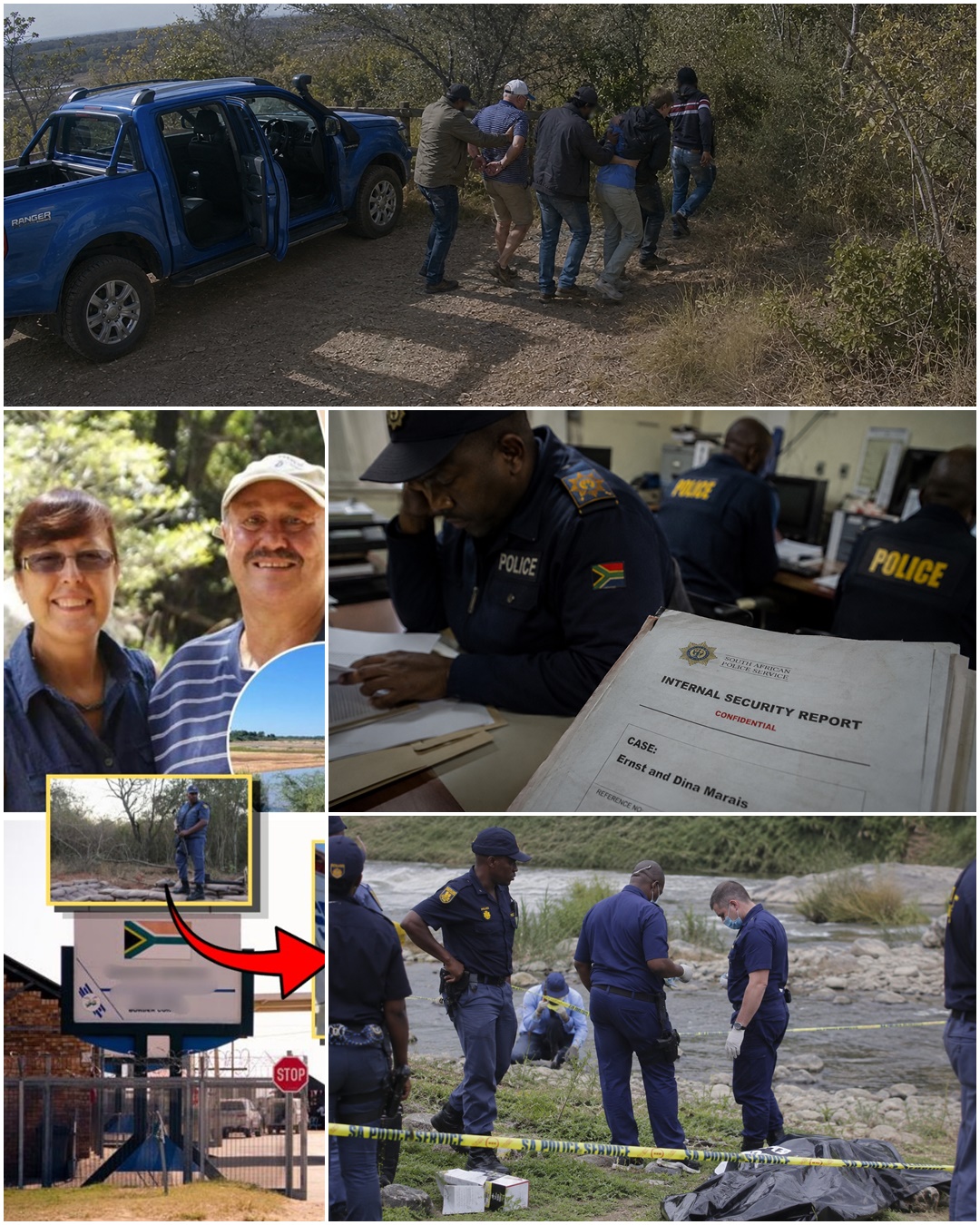
As South African investigators continue pursuing leads in the murders of Ernst and Dina Marais, another deeply disturbing aspect of the case has emerged—one that the family says has turned an already unbearable tragedy into an ongoing nightmare.
According to HJALMER VAN GESSELEN, nephew of Ernst Marais and spokesperson for the family, relatives were left SHOCKED, DEVASTATED, AND HORRIFIED after discovering that videos and images allegedly connected to the crime scene had begun circulating on social media.
For the family, the pain did not end with the deaths of Ernst and Dina.
Instead, they say a second trauma began when material related to the case started appearing online.
“CLOSURE” became impossible.
Every image was a reminder.
Every video reopened the wound.
And every new post forced family members to relive the tragedy all over again.
Van Gesselen indicated that the family personally became aware of the material being shared online and was deeply affected by what they saw.
According to his account, the circulation of these images has caused immense emotional suffering.
In many murder investigations, evidence remains protected while authorities attempt to identify suspects and build a criminal case.
Here, however, reports began surfacing that information connected to the investigation may have escaped beyond official channels.
Several South African media reports have referred to what was described as a possible “LEAKED INTERNAL SECURITY REPORT.”
Importantly, the contents of any such report have not been officially released by police.
Nor have authorities publicly confirmed the existence of specific crime-scene videos.
Yet the family’s statements suggest that IMAGES, VIDEOS, AND GRAPHIC MATERIAL allegedly connected to the investigation were circulating widely enough for relatives to encounter them firsthand.
That fact alone has become a source of outrage.
The family says the nightmare did not end after the killings.
It continued online.
What makes the situation even more troubling is the timing.
The alleged circulation of investigative material occurred while authorities were still actively hunting suspects and pursuing leads believed to extend beyond South Africa’s borders.
If sensitive information was indeed shared outside official channels, it would mean that material connected to a live investigation entered the public domain while detectives were still trying to piece together exactly what happened.
Reports and speculation have suggested that information may have originated from internal documents, ranger reports, security communications, or early investigative summaries.
No official confirmation has been provided regarding those claims.
Nevertheless, the family remains focused on the human cost.
For them, the issue is not where the material came from.
The issue is that they saw it.
And once seen, it cannot be unseen.
The emotional impact has been compounded by details investigators reportedly shared with relatives during briefings.
According to information publicly discussed by Van Gesselen, several personal belongings remained with the victims.
THE WATCH WAS NOT TAKEN.
THE JEWELRY WAS NOT TAKEN.
ERNST’S BINOCULARS WERE STILL PRESENT.
Yet the BLUE FORD RANGER vanished from the scene.
Those details have fueled continuing questions about motive and what the attackers were truly after.
The vehicle remains one of the most important pieces of the entire investigation.
Its disappearance—and subsequent reports that it may have surfaced in Mozambique—have intensified theories involving organized criminal activity operating along the border region.
Another chilling aspect of the case concerns the location where the bodies were discovered.
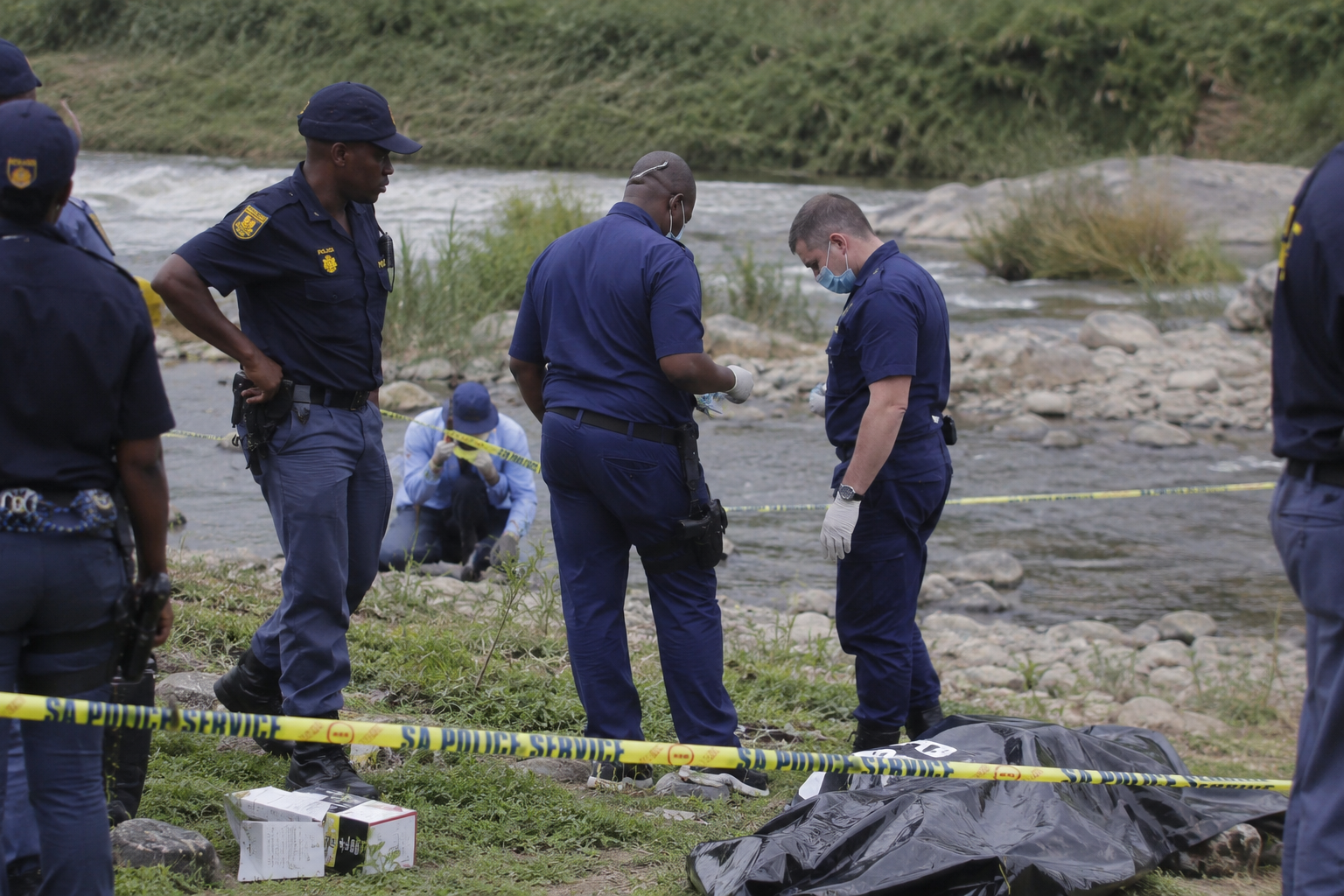
According to South African media reports, Ernst and Dina were found near the confluence of the LEVUBU AND LIMPOPO RIVERS.
The area is known for dangerous wildlife, including crocodiles.
Family members have described one particularly disturbing detail that investigators reportedly discussed with them.
They were told that if tourists had not discovered the bodies when they did, critical evidence could potentially have been lost.
That possibility has led investigators to pay close attention to the decision to place the bodies in the river rather than leave them on the riverbank.
Some observers believe such an action could have complicated the recovery of evidence and delayed the investigation.
For the family, however, these investigative questions are overshadowed by a more personal reality.
They lost two loved ones.
Then, according to their account, they were confronted with images and videos connected to the tragedy spreading across social media.
That is why Van Gesselen says the family’s suffering has been multiplied.
The murders themselves were devastating.
But seeing material allegedly connected to Ernst and Dina’s final moments circulate publicly has created an additional layer of pain that continues long after the crime itself.
As investigators move closer to identifying those responsible, the family hopes justice will eventually arrive.
Until then, they say they are trying to cope not only with the deaths of Ernst and Dina Marais—but also with the lasting trauma caused by the circulation of images they never expected the world to see.