
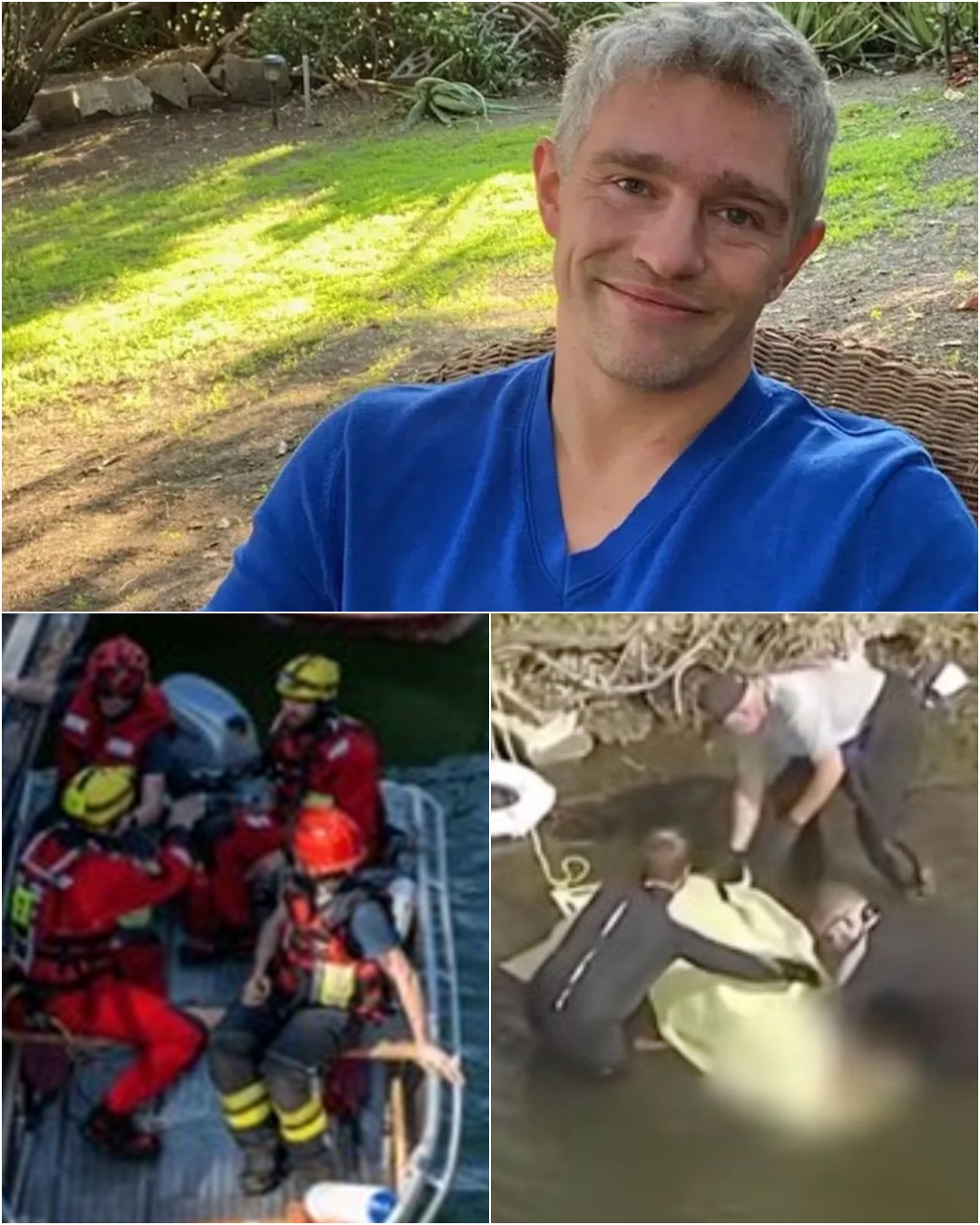
The death of Matt Brown, former cast member of Alaskan Bush People, continues to generate public interest following the recovery of his body from Washington State’s Okanogan River. Official reports have focused primarily on Brown’s long-documented struggles with addiction, personal difficulties, and mental health challenges. Family members have also spoken publicly about hardships he faced during the months leading up to his death. While authorities have not announced evidence of criminal wrongdoing, unanswered questions surrounding Brown’s final days continue to fuel speculation among followers of the case.
In this TRUE-CRIME RECONSTRUCTION / DRAMATIZED INVESTIGATION, a startling discovery allegedly emerges weeks after Brown’s funeral. According to the reconstruction, investigators revisiting locations connected to Brown’s private life uncover the charred remains of a notebook hidden beneath debris near an isolated cemetery plot where he was rumored to spend nights alone during particularly difficult periods of his life. Rain and ash have damaged much of the diary, but several pages remain partially readable.
As imagined in this reconstruction, forensic specialists carefully separate the fragile pages one by one. Most entries contain emotional reflections, unfinished thoughts, and references to personal struggles. Yet scattered among the damaged writings are names — some crossed out, some circled repeatedly in dark ink. The collection of names quickly becomes known among investigators as the alleged BLACKLIST.
The reconstruction suggests that Brown believed certain individuals had betrayed him, manipulated him, or contributed to the collapse of relationships he valued. Some entries appear to describe business disputes. Others hint at broken promises, financial disagreements, and conflicts that allegedly left him increasingly isolated. A few passages are so badly damaged by fire that only fragments remain visible, encouraging endless speculation about what may have originally been written there.
According to the dramatized scenario, one partially preserved page contains a chilling sentence ending with the words, “They all knew.” Another page appears to list initials beside dates and locations. Investigators in the reconstruction debate whether the notes reflect actual events, emotional frustration, or simply the private thoughts of a man struggling through an extraordinarily difficult chapter of his life. The uncertainty surrounding the diary only deepens the mystery.
As rumors spread, online communities become consumed with identifying the names allegedly contained within the BLACKLIST. Theories multiply rapidly. Some suggest powerful figures attempted to silence Brown. Others believe the notebook merely documented personal grievances rather than evidence of wrongdoing. Every surviving line becomes the subject of intense scrutiny as amateur investigators attempt to connect fragmented clues into a larger narrative.
However, it is important to note that no public evidence has confirmed the existence of such a diary, a blacklist, or a conspiracy involving powerful individuals connected to Brown’s death. Authorities have not announced findings supporting these claims. The scenario presented here is a dramatized reconstruction inspired by speculative mystery storytelling rather than verified investigative conclusions.
Even so, the image of a half-burned journal emerging from the ashes beside a lonely gravesite captures the enduring fascination surrounding Matt Brown’s final chapter. Between FACT and SPECULATION lies a mystery that continues to haunt followers of the case — a mystery in which every rumor, every missing page, and every unanswered question seems to point toward secrets that may never be fully understood.