
A preliminary medical finding has begun to shape the narrative around the death of Ashlee Jenae in Zanzibar—but it is far from closing the case. Local authorities have indicated that the likely cause of death involves hypoxia, a lack of oxygen to the brain, consistent with neck compression. On paper, that points toward a scenario often associated with self-harm. In practice, however, it has only deepened the divide between officials and the victim’s family.
Crucially, this is not a final conclusion. The determination remains preliminary, pending further forensic clarification. And it is precisely that uncertainty that has prompted Ashlee’s family to take an unusual but significant step: commissioning a second, independent autopsy in the United States.
From an investigative standpoint, this move carries real weight. A second autopsy is not simply a formality—it is a mechanism to verify, challenge, or refine the initial findings. If the independent results align with the original report, they could reinforce the current direction of the case. But if discrepancies emerge, the implications could be substantial, potentially forcing a reassessment of both the cause and manner of death.
At present, authorities in Zanzibar appear to be leaning toward a suicide determination. There has been no public indication of foul play, and no charges have been filed against any individual connected to the case. Yet for Ashlee’s family, that conclusion does not match the totality of what they believe occurred.
They argue that there are too many unanswered questions, too many gaps in the timeline, and too little transparency surrounding the investigation. In particular, they point to the circumstances leading up to her death—reports that suggest Ashlee was communicating normally just minutes beforehand—as inconsistent with a sudden, irreversible act.
This tension between official interpretation and family skepticism is now at the heart of the case.
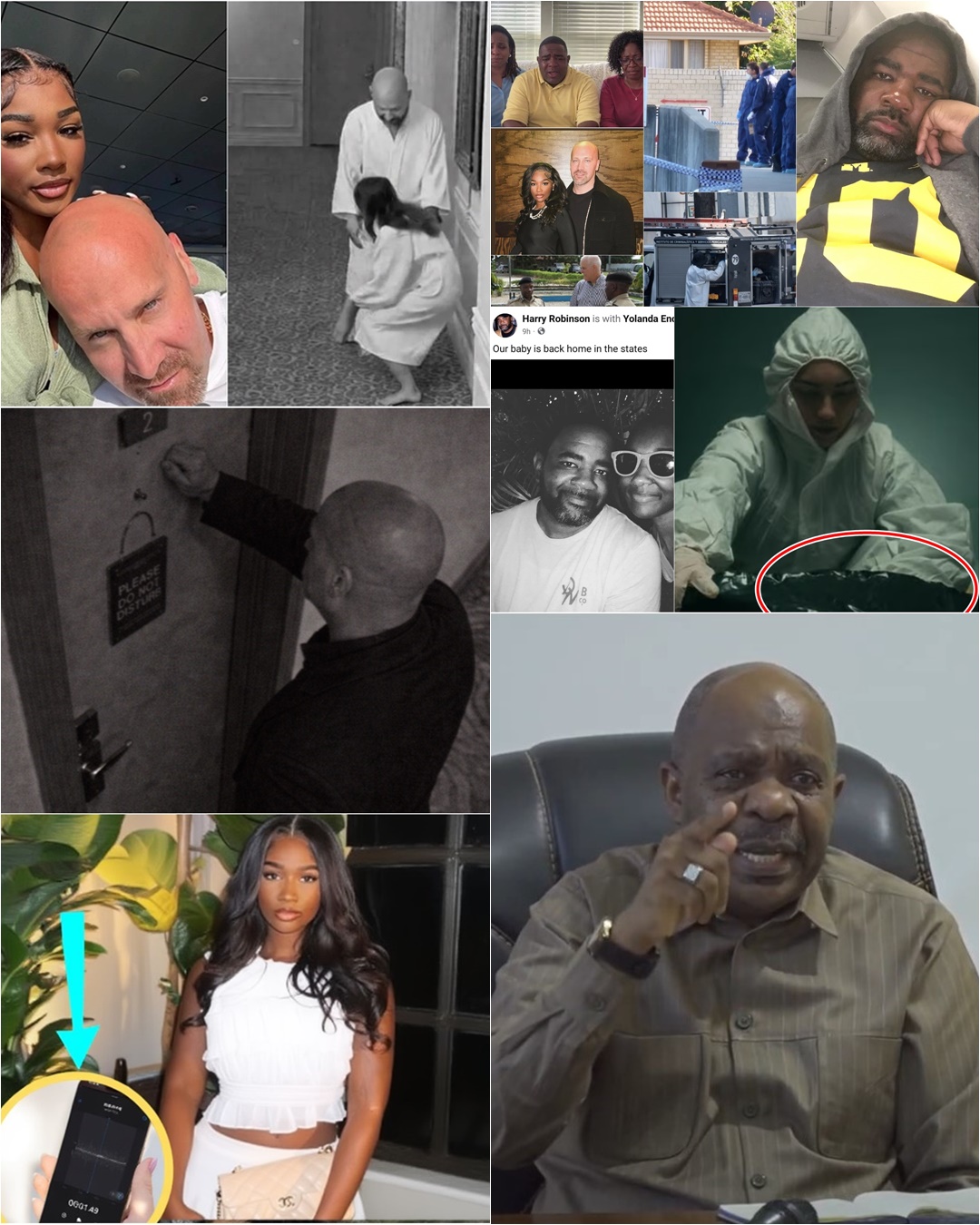
One element, more than any other, has come to symbolize that divide: hotel surveillance footage.
The family is actively seeking access to CCTV recordings from the hotel where Ashlee spent her final hours. They believe that this footage could provide a clearer, objective account of movements in and around her room—who entered, who left, and when. In cases where timelines are compressed and witness accounts are limited, video evidence can be decisive.
But as of now, no such footage has been made public. It remains unclear whether authorities have obtained all relevant recordings, whether they are still being analyzed, or whether portions may be unavailable. That uncertainty has effectively created what investigators often refer to as a “blind spot”—a critical segment of time where events cannot yet be fully reconstructed.
Until that gap is filled, competing interpretations will continue to coexist.
For the family, the lack of visibility into that evidence is not just frustrating—it is unacceptable. It is one of the primary reasons they are now considering traveling directly to Tanzania to engage with officials in person. Their goal is straightforward: to demand clarity, request access to key materials, and ensure that the investigation proceeds with full transparency.
This potential step underscores the broader dynamic at play. The case is no longer confined to a single jurisdiction. It now spans continents, legal systems, and expectations about how deaths abroad involving foreign nationals should be handled.
At the same time, it is important to separate what is known from what remains unverified. There is, as of now, no publicly confirmed evidence of third-party involvement. The preliminary medical finding—hypoxia linked to neck compression—can occur in multiple contexts, including self-inflicted scenarios. But without a finalized report and without complete access to corroborating evidence such as CCTV, the full picture remains incomplete.
That incompleteness is precisely what keeps the case open—not only in a legal sense, but in the public consciousness.
As the second autopsy proceeds and pressure builds for greater transparency, the next phase of the investigation may prove decisive. Either it will reinforce the current trajectory toward a suicide determination, or it will introduce new findings that challenge it.
Until then, the death of Ashlee Jenae remains suspended between preliminary conclusions and unanswered questions—a case defined as much by what is missing as by what has been revealed.